Introduction to SMTP Server Providers
SMTP (Simple Mail Transfer Protocol) server providers play a critical role in enabling reliable email communication for businesses, developers, and individuals alike. Whether you’re managing a small startup or a large enterprise, selecting the right SMTP server provider can significantly impact your email deliverability, security, and overall user experience. In this authoritative guide, we’ll explore what SMTP server providers are, why they matter, and how to choose the best option tailored to your specific needs.
What Is an SMTP Server Provider?
An SMTP server provider is a service that facilitates the sending of emails via the SMTP protocol. These providers act as intermediaries between your email client or application and the recipient’s inbox. They ensure that emails are delivered efficiently, securely, and in compliance with email service provider (ESP) guidelines. Common features offered by SMTP server providers include:
- Email delivery reliability: Ensuring emails reach the recipient’s inbox rather than the spam folder.
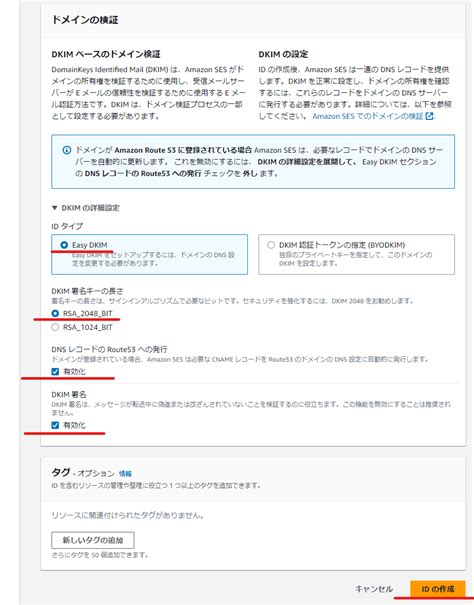
- Authentication support: Helping users implement SPF, DKIM, and DMARC to prevent email spoofing and improve deliverability.
- Scalability: Supporting varying volumes of email traffic, from low-volume personal use to high-volume enterprise-level operations.
- Monitoring and analytics: Offering insights into email performance, bounce rates, and open rates.
- Security: Providing encryption options, spam filtering, and protection against malicious attacks.
Why SMTP Server Providers Matter
Choosing the right SMTP server provider is essential for several reasons:
- **Improved deliverability**: Without a reliable provider, your emails may not reach the intended recipients due to spam filters or server issues.
- **Enhanced security**: Reputable providers offer encryption and protection against phishing and spam.
- **Cost efficiency**: Many providers offer scalable pricing models that adapt to your usage, helping you avoid u
ecessary costs. - **Technical support**: Having access to expert assistance can help you resolve issues quickly and keep your email infrastructure ru
ing smoothly.
Top SMTP Server Providers in 2024
With the growing demand for email communication, several SMTP server providers have emerged as industry leaders. Below is a curated list of top providers, along with their key features and strengths.
1. SendGrid
SendGrid is a cloud-based SMTP service widely used by developers and businesses for reliable email delivery. Key features include:
- Scalable infrastructure for high-volume email campaigns.
- Comprehensive API for seamless integration with web applications.
- Advanced analytics dashboard for tracking delivery rates, opens, and clicks.
- Strong support for SPF, DKIM, and DMARC configurations.
SendGrid is particularly popular among startups and SaaS companies due to its developer-friendly tools and robust infrastructure.
2. Mailgun
Mailgun is a powerful SMTP provider known for its flexibility and developer-centric features. Highlights include:
- Support for both transactional and marketing emails.
- Customizable webhooks for real-time notifications.
- Strong API support with extensive documentation.
- High deliverability rates due to optimized routing and infrastructure.
Mailgun is often chosen by developers who need a scalable solution that integrates easily with their existing systems.
3. Amazon SES (Simple Email Service)
Amazon SES is a cost-effective SMTP service offered by AWS. It’s ideal for businesses already using AWS infrastructure. Key attributes include:
- Low cost per email compared to other providers.
- Integration with other AWS services such as Lambda, CloudWatch, and S3.
- Support for bulk email sending with high deliverability.
- Comprehensive logging and monitoring for tracking email performance.
Amazon SES is a go-to option for enterprises that need a scalable, cost-efficient solution backed by cloud infrastructure.
4. Sendinblue
Sendinblue offers a hybrid solution combining SMTP services with additional marketing tools. Features include:
- SMTP relay for transactional emails.
- Marketing automation and email design tools.
- User-friendly interface suitable for non-technical users.
- Affordable pricing plans for small to mid-sized businesses.
Sendinblue is a preferred option for businesses that need a combination of SMTP and marketing automation in a single platform.
5. Mailchimp Transactional
Mailchimp Transactional, formerly known as TinyMCE, is tailored for transactional emails. Features include:
- Integration with Mailchimp’s marketing platform.
- API-driven setup for seamless email automation.
- Customizable templates and analytics for transactional emails.
- Strong focus on compliance with email delivery regulations.
Mailchimp Transactional is best suited for businesses that rely heavily on transactional emails and already use Mailchimp for marketing.
Factors to Consider When Choosing an SMTP Server Provider
Selecting the right SMTP server provider requires careful evaluation of several factors. Below are the key considerations to guide your decision-making process.
1. Delivery Reliability and Performance
Ensure the provider offers high deliverability rates and has a robust infrastructure to handle your email volume. Look for metrics like:
- Average delivery time
- Percentage of emails delivered to the inbox
- Bounce rate statistics
Reliable providers should consistently deliver emails and provide real-time performance updates.
2. Authentication Support
Reputable SMTP providers support authentication protocols like SPF, DKIM, and DMARC. These are critical for:
- Reducing email spoofing
- Improving email credibility
- Compliance with ESP guidelines
Verify that the provider offers clear instructions and support for implementing these protocols.
3. Scalability
Your provider should be able to accommodate your current and future email traffic. Consider:
- Maximum number of emails per month
- Flexibility to upgrade or downgrade plans
- Support for sudden spikes in email volume
Scalable options are vital for businesses experiencing growth or seasonal spikes in email activity.
4. Pricing and Value for Money
Evaluate the cost structure of each provider and determine what you get for the price. Important factors include:
- Base pricing per email or per month
- Additional charges for high-volume sending
- Discounts or special offers for long-term contracts
Look for providers that offer transparent pricing and value-added services such as analytics or support.
5. Security and Compliance
Security is paramount when choosing an SMTP provider. Consider the following:
- Encryption options (SSL/TLS)
- Protection against spam and phishing attacks
- Compliance with data protection laws (e.g., GDPR, HIPAA)
Choose a provider that aligns with your security needs and regulatory requirements.
6. Customer Support and Resources
Good customer support can make a significant difference, especially when issues arise. Look for:
- 24/7 support availability
- Knowledge base or documentation
- Response time for queries
Support resources should be accessible and helpful for resolving technical issues efficiently.
Common Challenges with SMTP Server Providers and How to Overcome Them
While SMTP server providers offer significant benefits, users may encounter certain challenges. Here’s a breakdown of common issues and strategies to address them.
Challenge 1: Email Deliverability Issues
Sometimes, emails sent via SMTP servers end up in spam folders instead of the inbox. To mitigate this:
- Verify SPF, DKIM, and DMARC records are correctly configured.
- Use a provider with a strong reputation for high deliverability.
- Monitor bounce rates and adjust sending strategies accordingly.
Regular monitoring and adjustments can help improve inbox placement.
Challenge 2: Configuration Complexity
Setting up SMTP configurations can be challenging for non-technical users. To simplify the process:
- Use providers with intuitive setup guides or templates.
- Leverage API documentation and support resources.
- Consider managed services for hands-off configuration.
Many providers now offer step-by-step instructions or one-click integrations to ease setup.
Challenge 3: Cost Overruns
 Asset Ref: Mailgun
Unanticipated costs can arise due to high-volume sending or lack of knowledge about pricing structures. To avoid this:
- Review pricing plans thoroughly before signing up.
- Monitor usage regularly and adjust plans as needed.
- Opt for providers with scalable pricing models.
Being proactive with monitoring and pla
ing can prevent unexpected expenses.
Best Practices for Using SMTP Server Providers
To maximize the effectiveness of your SMTP server provider, adhere to these best practices:
1. Implement Authentication Protocols
Always enable SPF, DKIM, and DMARC to authenticate your emails and reduce the risk of spoofing. These protocols are essential for maintaining credibility and improving deliverability.
2. Monitor Email Performance
 Asset Ref: Sendinblue
Track metrics such as open rates, bounce rates, and delivery rates to identify issues and optimize your email campaigns.
3. Regularly Review Pricing Plans
Stay informed about your provider’s pricing structure and adjust your plan as your business grows or your email volume changes.
4. Engage with Customer Support
Keep open lines of communication with your provider’s support team to address issues quickly and efficiently.
5. Leverage Analytics and Reporting
Use reporting tools to understand how your emails are performing and make data-driven decisions.
Conclusion
Choosing the right SMTP server provider is a critical decision that affects your email communication effectiveness, security, and scalability. By understanding the key features of top providers and evaluating your specific needs, you can make an informed choice that aligns with your business or personal requirements. Whether you’re a developer, a small business owner, or part of a large enterprise, the insights provided in this guide will empower you to navigate the SMTP landscape with confidence and clarity.
Remember, the best provider is the one that meets your specific requirements—whether it’s high deliverability, robust security, or cost efficiency. Take the time to research and compare options, and you’ll be well on your way to achieving optimal email communication results.