Introduction to Auto Email Follow Up
In the fast-paced digital landscape, maintaining consistent communication with your audience is critical. Auto email follow-up systems are powerful tools that help businesses automate communication, nurture leads, and boost conversion rates. Whether you’re a marketer, sales professional, or business owner, understanding how to effectively implement auto email follow-up strategies can dramatically enhance your digital marketing efforts.
Understanding the Importance of Auto Email Follow Up
Auto email follow-up is more than just sending a generic email after an initial contact; it’s a strategic mechanism that keeps your audience engaged and informed. Here’s why it’s essential:
- Improved Engagement: Automated emails maintain consistent communication with your audience, encouraging interaction and reducing the risk of losing leads.
- Lead Nurturing: Follow-up emails allow you to provide additional information, answer questions, and guide prospects through the sales fu
el. - Time Efficiency: Automation reduces the burden on your team, allowing them to focus on other critical tasks while ensuring no lead falls through the cracks.
- Conversion Boost: Effective follow-up can increase conversion rates by up to 50%, according to industry studies.
How Auto Email Follow Up Works: The Technical Overview
Auto email follow-up systems operate through a combination of triggers, templates, and scheduling. Here’s a breakdown of the key components:
- Triggers: These are specific actions or events that initiate the follow-up process—such as a user signing up for a newsletter, abandoning a cart, or completing a form.
- Templates: Pre-written email content tailored to specific scenarios, ensuring consistency and relevance to the audience.
- Scheduling: Automated platforms allow you to set specific times for emails to be sent, aligning with user behavior patterns and business hours.
Choosing the Right Email Marketing Platform
Selecting the appropriate email marketing platform is crucial for effective auto email follow-up. Here’s what to consider:
- Features: Look for platforms offering customizable templates, automation workflows, and analytics.
- User Interface: A clean, intuitive interface can streamline the setup and management of follow-up campaigns.
- Integration: Compatibility with your CRM, analytics tools, or other platforms enhances efficiency and data accuracy.
- Scalability: Ensure the platform can grow with your business, supporting larger email lists and more complex workflows.
Setting Up Your Auto Email Follow Up Campaign
Setting up a successful auto email follow-up campaign requires a structured approach. Follow these steps:
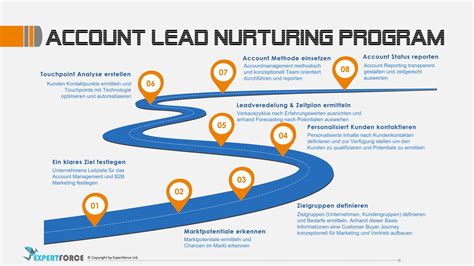
- Define Your Goals: Identify what you want to achieve—whether it’s lead conversion, customer retention, or brand awareness.
- Identify Your Audience: Understand who your target audience is, their preferences, and their behavior patterns.
- Create Content: Develop engaging, personalized content that aligns with your audience’s interests and needs.
- Select Automation Tools: Choose a robust email marketing platform that supports automation and customization.
- Schedule Emails: Set up the timing of your emails based on user behavior or specific triggers.
- Monitor Performance: Use analytics to track open rates, click-through rates, and other metrics to refine your strategy.
Best Practices for Effective Auto Email Follow Up
To maximize the impact of your auto email follow-up efforts, it’s important to adhere to best practices that align with user expectations and SEO standards:
- Personalization: Tailor your emails to individual recipients using dynamic content and data-driven insights.
- Relevance: Ensure your content is relevant to the recipient’s stage in the customer journey—use segmentation to send targeted messages.
- Timing: Send emails at optimal times based on analytics or user preferences—avoid spamming or sending too frequently.
- Value Proposition: Offer value in every email—whether it’s informative content, exclusive offers, or actionable insights.
- Call to Action (CTA): Include clear, compelling CTAs that align with your campaign’s objective.
- Consistency: Maintain consistent branding and messaging across all follow-up emails to build trust and recognition.
Avoiding Common Mistakes
Even the best-intentioned auto email follow-up can fall flat due to common errors. Avoid these pitfalls:
- Over-Automation: Avoid sending too many emails too quickly—this can overwhelm recipients and lead to opt-outs.
- Generic Content: Generic or one-size-fits-all emails can reduce engagement. Personalize content to resonate with the audience.
- Ignoring Feedback: Use recipient feedback and analytics to refine your strategy—ignore data at your peril.
- Neglecting Mobile Optimization: Ensure emails are mobile-friendly, as a significant portion of users access emails via mobile devices.
SEO Impact of Auto Email Follow Up
Auto email follow-up also has a significant impact on SEO, both directly and indirectly. Here’s how:
- Increased Traffic: Regular communication through follow-up emails can drive repeat visits to your website, boosting traffic.
- Improved Search Rankings: Higher engagement metrics—such as reduced bounce rates and increased time on site—can positively influence search rankings.
- Content Sharing: Content distributed via email can be shared on social platforms or linked to in blogs, increasing backlinks and visibility.
- Authority Building: Consistent, valuable communication with your audience positions your brand as an industry authority.
Monitoring SEO Metrics">
To measure the SEO impact of your auto email follow-up campaigns, monitor these metrics:
- Open Rate: Measures how many recipients open your emails—high open rates indicate effective subject lines and content.
- Click-Through Rate (CTR): Indicates how many recipients clicked on links within your emails—measures content relevance and engagement.
- Conversion Rate: Tracks the percentage of recipients who complete a desired action—such as signing up or making a purchase.
- Bounce Rate: Measures the percentage of emails that could not be delivered—helps identify issues with email addresses or content.
- List Growth Rate: Shows how your email list is expanding or contracting—important for long-term sustainability.
Link Building via Email Follow Up">
Email follow-up can also be a powerful tool for link building. Consider these strategies:
- Guest Post Invitations: Reach out to influencers or bloggers via email to invite guest posts, creating backlinks.
- Resource Sharing: Share valuable content or whitepapers via email, encouraging recipients to link back to your site.
- Collaboration Requests: Propose collaborations or interviews via email, driving referral traffic and backlinks.
Advanced Strategies for Auto Email Follow Up
For those looking to elevate their auto email follow-up efforts beyond the basics, here are some advanced strategies:
- Behavioral Triggers: Use advanced automation to trigger emails based on user behavior—such as website visits, email opens, or link clicks.
- Dynamic Content: Implement dynamic content that adapts to user preferences, location, or behavior for a more personalized experience.
- Multi-Cha
el Integration: Combine auto email follow-up with other cha
els like SMS or social media for a comprehensive engagement strategy.A/B Testing: Experiment with different email content, subject lines, and timing to determine what works best. - Advanced Analytics: Utilize advanced analytics tools to gain deeper insights into user behavior and optimize your campaigns.
Personalization at Scale">
Achieving personalization at scale is a challenge, but it’s achievable with the right tools and strategy. Use CRM data, automation platforms, and segmentation to tailor messages to each recipient while maintaining efficiency.

Retention Strategies">
Customer retention is a critical component of any business strategy. Implement retention-focused auto email follow-up by:
- Welcome Series: Send a series of emails welcoming new subscribers and providing value.
- Birthday/A
iversary Offers: Celebrate milestones with personalized offers to strengthen relationships. - Re-Engagement Campaigns: Target inactive subscribers with special offers or content to bring them back into the fold.
Case Studies: Successful Auto Email Follow Up in Action
Real-world examples demonstrate the effectiveness of auto email follow-up. Consider these case studies:
- E-commerce Example: A retail brand implemented auto email follow-up after cart abandonment, resulting in a 20% increase in conversions.
- B2B Example: A SaaS company used behavioral triggers to send targeted emails to users who visited specific pages, leading to a 30% increase in qualified leads.
- Nonprofit Example: A charitable organization used auto email follow-up to maintain donor engagement, increasing recurring donations by 25%.
Tools and Resources for Auto Email Follow Up
Several tools and resources can assist in implementing effective auto email follow-up campaigns. Here’s a curated list:
- Mailchimp: A popular platform offering automation, templates, and analytics.
- HubSpot: Integrates with CRM and offers robust automation workflows.
- ActiveCampaign: Known for advanced segmentation and behavioral automation.
- Constant Contact: Offers user-friendly templates and reliable support.
- Zoho Campaigns: Affordable option with customizable automation features.
Choosing the Right Tool">
When selecting an email marketing platform, consider your specific needs, budget, and the complexity of your campaigns. Evaluate each tool based on features, user reviews, and customer support.
Conclusion
Auto email follow-up is a vital component of modern digital marketing. By leveraging automation, personalization, and strategic pla
ing, you can enhance engagement, boost conversions, and improve SEO performance. Whether you’re just starting out or refining your existing strategies, adopting best practices and advanced techniques can transform your auto email follow-up efforts into a powerful tool for growth.
Investing time and resources into refining your auto email follow-up strategies today will yield significant dividends tomorrow. Stay consistent, adapt to user behavior, and always prioritize value to maintain a strong co
ection with your audience.
Final Thoughts
Remember, the key to successful auto email follow-up lies in consistency, relevance, and delivering value. Keep refining your strategies, stay attuned to your audience’s needs, and continue exploring new ways to enhance engagement. With the right approach, auto email follow-up can become a cornerstone of your marketing success.