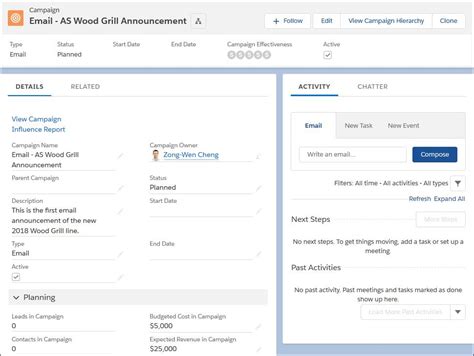
In the fast-evolving landscape of digital commerce, e commerce campaign management has emerged as a pivotal element for sustaining growth, maximizing ROI, and maintaining competitive edge. With consumer behavior shifting rapidly and digital platforms proliferating, brands that fail to adapt their campaign strategies risk falling behind. This authoritative guide delves into the intricacies of e-commerce campaign management, offering actionable strategies, best practices, and insights tailored for marketers, entrepreneurs, and digital strategists.
nnUnderstanding the Core of E-Commerce Campaign Management
nnDefining E-Commerce Campaign Management
nnAt its core, e commerce campaign management refers to the systematic planning, execution, monitoring, and optimization of marketing initiatives aimed at driving traffic, conversions, and revenue through e-commerce platforms. Unlike traditional marketing campaigns, e-commerce campaigns are often data-driven, highly targeted, and integrated with real-time analytics tools to adapt swiftly to consumer behavior.
nnWhy Campaign Management Matters in E-Commerce
nnThe significance of effective e commerce campaign management cannot be overstated. Here’s why:
nn- nn
- Increased ROI: Targeted campaigns yield higher conversion rates, reducing wasted ad spend. nn
- Improved Customer Experience: Personalized messaging and targeted content resonate better with consumers. nn
- Competitive Advantage: Brands that manage campaigns effectively stay ahead of competitors in market share and visibility. nn
- Data-Driven Decisions: Regular monitoring and analysis enable marketers to refine strategies based on real-time insights. nn
Strategic Planning for Effective Campaign Management
nnSetting Clear Objectives
nnBefore launching any campaign, defining clear, measurable objectives is essential. Common e-commerce campaign goals include:
nn- nn
- Boosting sales by a specific percentage within a defined timeframe. nn
- Increasing traffic to specific product pages or categories. nn
- Growing email subscriber lists or social media followers. nn
Setting SMART (Specific, Measurable, Achievable, Relevant, Time-bound) objectives ensures alignment with overall business strategy and facilitates effective measurement.
nnIdentifying Target Audiences
nnAccurate audience segmentation is the cornerstone of any successful campaign. Use data analytics and customer insights to identify:
nn- nn
- Demographic profiles (age, gender, income, location). nn
- Behavioral patterns (purchase frequency, product preferences, online activity). nn
- Psychographic attributes (interests, values, lifestyle preferences). nn
Tools like Google Analytics, CRM platforms, and social media analytics can help refine audience profiles and optimize targeting.
nnChoosing the Right Channels
nnSelecting the appropriate marketing channels is critical for reaching your audience effectively. Consider the following options:
nn- nn
- Search Engine Marketing (SEM): Paid search ads on Google or Bing to capture intent-driven traffic. nn
- Social Media Marketing: Platforms like Instagram, Facebook, and TikTok for visual storytelling and engagement. nn
- Email Marketing: Newsletters, personalized offers, and automated drip campaigns to nurture leads. nn
- Content Marketing: Blog posts, videos, or infographics to build authority and drive organic traffic. nn
- Affiliate Marketing: Leveraging third-party promoters to amplify reach and credibility. nn
Each channel should align with the campaign’s objectives and audience preferences. A diversified approach maximizes reach and minimizes dependency on a single platform.
nnExecution Strategies for E-Commerce Campaign Management
nnContent Creation and Optimization
nnHigh-quality content remains the backbone of any e-commerce campaign. Focus on:
nn- nn
- Product Content: Clear, compelling descriptions, high-resolution images, and videos that highlight product features and benefits. nn
- Engagement Content: Blog posts, FAQs, and user-generated content to build trust and encourage interaction. nn
- SEO Optimization: Incorporate relevant keywords, meta tags, and structured data to improve organic visibility. nn
Consistency and relevance are key. Regularly update content to reflect current trends, customer feedback, and seasonal events.
nnAd Campaign Setup and Management
nnEffective ad campaigns require meticulous planning and execution. Best practices include:
nn- nn
- Ad Copy Optimization: Craft compelling headlines and descriptions that align with user intent and include clear calls-to-action (CTAs). nn
- Targeting Precision: Use demographic, behavioral, and psychographic data to refine audience targeting. nn
- Budget Allocation: Monitor spending and adjust budgets dynamically based on performance metrics. nn
Platforms like Google Ads, Meta Business Suite, and Amazon Advertising provide robust tools for campaign setup and ongoing management.
nnAutomated Campaign Tools and Technologies
nnAutomation is a game-changer in modern e-commerce campaign management. Consider integrating the following tools:
nn- nn
- Email Automation: Platforms like Mailchimp or Klaviyo to send personalized emails based on user behavior. nn
- Ad Automation: Tools like AdEspresso or Smartly.io to manage and optimize paid campaigns across multiple channels. nn
- Analytics Platforms: Google Analytics, Adobe Analytics, or HubSpot to monitor KPIs and drive data-led decisions. nn
Automation not only saves time but also enhances precision, ensuring campaigns remain responsive to consumer behavior.
nnMonitoring, Analysis, and Optimization
nnKey Performance Indicators (KPIs)
nnMeasuring campaign effectiveness requires a clear understanding of KPIs. Common indicators include:
nn- nn
- Conversion Rate: Percentage of visitors who complete a desired action (e.g., purchase, sign-up). nn
- Click-Through Rate (CTR): Ratio of users who click on an ad or link versus those who view it. nn
- Cost Per Acquisition (CPA): Average cost incurred to acquire a customer. nn
- Return on Ad Spend (ROAS): Revenue generated per dollar spent on advertising. nn
Regularly tracking these metrics enables marketers to evaluate campaign performance and identify areas for improvement.
nnData Analysis and Reporting
nnEffective analysis involves interpreting raw data into actionable insights. Key steps include:

- nn
- Identify Trends: Spot patterns in consumer behavior, such as spikes in traffic or drop-offs in conversion rates. nn
- Segment Performance: Compare campaign results across different channels, products, or audience segments. nn
- Evaluate ROI: Assess the financial impact of each campaign relative to its budget and objectives. nn
Use visualization tools like Tableau or Power BI to create clear dashboards that facilitate quick decision-making.
nnOptimization Strategies
nnOptimization is an ongoing process. Strategies include:

- nn
- A/B Testing: Experiment with different ad copies, landing pages, or content formats to identify high-performing variants. nn
- Budget Reallocation: Shift funds to high-performing channels or campaigns based on empirical data. nn
- Content Adjustments: Refine messaging or presentation based on audience feedback or engagement metrics. nn
Iterative improvement ensures campaigns remain effective and aligned with evolving consumer expectations.
nnEmerging Trends in E-Commerce Campaign Management
nnPersonalization at Scale
nnAdvances in AI and machine learning enable brands to deliver personalized experiences at scale. From tailored product recommendations to customized email campaigns, personalization boosts engagement and drives conversions.

AI-Driven Campaign OptimizationAI-powered analytics tools now provide predictive insights, automate bid adjustments, and recommend optimal content strategies, reducing manual effort while increasing efficiency.nnVideo Content DominanceWith the rise of platforms like TikTok and Instagram Reels, video content has become a dominant force. Brands leveraging short-form video for product demos, testimonials, or influencer collaborations see higher engagement rates.nnVoice Search and Mobile OptimizationAs mobile usage continues to surge, optimizing campaigns for voice search queries and mobile-first experiences is critical. Ensure responsive design, fast load times, and conversational content aligns with user intent.nnSustainability and Ethical MarketingConsumers increasingly value transparency and ethical practices. Campaigns that highlight eco-friendly products, sustainable sourcing, or community engagement resonate better with today’s socially conscious audience.nnCase Studies: Real-World Applications of Effective Campaign Management
nnCase Study 1: Boosting Sales with Targeted Email Campaigns
nn
Voice Search and Mobile OptimizationAs mobile usage continues to surge, optimizing campaigns for voice search queries and mobile-first experiences is critical. Ensure responsive design, fast load times, and conversational content aligns with user intent.nnSustainability and Ethical MarketingConsumers increasingly value transparency and ethical practices. Campaigns that highlight eco-friendly products, sustainable sourcing, or community engagement resonate better with today’s socially conscious audience.nnCase Studies: Real-World Applications of Effective Campaign Management
nnCase Study 1: Boosting Sales with Targeted Email Campaigns
nn
Case Studies: Real-World Applications of Effective Campaign Management
nnCase Study 1: Boosting Sales with Targeted Email Campaigns
nnA mid-sized fashion e-commerce brand implemented a segmented email campaign using customer data analytics. By personalizing content based on purchase history and preferences, they achieved a 30% increase in repeat purchase rates within three months.
nnCase Study 2: Leveraging Social Media Influencers for Brand Growth
nnAn electronics retailer partnered with micro-influencers on Instagram to showcase product reviews. This campaign generated a 25% uplift in website traffic and a 15% increase in sales within the campaign duration.nn
Case Study 3: Optimizing Paid Search Campaigns for Higher Conversions
nnA home goods company refined their Google Ads strategy by incorporating long-tail keywords and improving landing page relevance. This led to a 40% reduction in CPA and a 20% increase in overall conversion rates.nn
Conclusion: Embrace Campaign Management as a Strategic Advantage
nnIn summary, e commerce campaign management is not merely a tactical activity; it is a strategic imperative for modern e-commerce businesses. By aligning objectives with measurable outcomes, leveraging data insights, adopting advanced tools, and adapting to emerging trends, brands can transform their campaigns into powerful growth engines.
nnWhether you’re a startup scaling up or an established brand refining your strategy, the principles outlined in this guide provide a roadmap for achieving sustainable success in the digital marketplace.
nnInvest in continuous learning, stay agile, and prioritize data-driven decision-making. The rewards—higher conversions, stronger brand loyalty, and increased market share—are well worth the effort.