In today’s digital landscape, email remains one of the most powerful communication cha
els for businesses and individuals alike. However, when the volume of emails increases significantly—whether due to marketing campaigns, customer inquiries, or internal communication—managing this influx becomes a complex challenge. High volume email exchange refers to the handling of large quantities of emails, typically in the thousands per day, and it demands a strategic approach to ensure efficiency, compliance, and user satisfaction. This comprehensive guide will explore the intricacies of high volume email exchange, examine the challenges it presents, and provide actionable insights to help you navigate this critical area effectively.
Understanding High Volume Email Exchange
What Constitutes High Volume Email Exchange?
High volume email exchange can be defined as the processing or sending/receiving of a substantial number of emails within a short period. This may include:
- Marketing emails (newsletters, promotional campaigns)
- Customer service inquiries (support tickets, FAQs)
- Automated transactional emails (order confirmations, password resets)
- Internal communication within large organizations
The key differentiator is the scale—typically exceeding 1,000 emails per day, with some organizations handling millions. Understanding the volume, frequency, and nature of these emails is the first step in developing a robust strategy.
Why High Volume Email Exchange Matters
The impact of high volume email exchange extends beyond mere inbox management. It affects:
- Operational efficiency
- Customer satisfaction
- Brand reputation
- Compliance and data security
Failure to manage high volume effectively can lead to:
- Delayed responses
- Missed opportunities
- Customer churn
- Legal issues due to non-compliance
Conversely, a well-managed high volume system can enhance productivity, improve customer engagement, and foster trust in your organization’s communication.
Challenges of High Volume Email Exchange
Scalability and Infrastructure
One of the primary challenges is ensuring your infrastructure can scale to accommodate the volume. Issues include:
- Server capacity limitations
- Email delivery delays or failures
- Storage constraints
Without scalable infrastructure, organizations risk system crashes, slow response times, and increased downtime.
Content Personalization
With high volumes, personalization becomes a daunting task. Generic emails can lead to:
- Lower open rates
- Decreased engagement
- Negative user perception
Balancing speed with relevance is a delicate act that requires advanced automation and data analytics.
Compliance and Security
High volume email exchange requires strict adherence to regulations like GDPR, CAN-SPAM, and CCPA. Challenges include:
- Managing consent for marketing emails
- Tracking subscriber preferences
- Securing sensitive information
Non-compliance can result in hefty fines and damage to credibility.
Human Error and Response Quality
When volume increases, the risk of human error rises—especially in customer service or support teams. Issues include:
- Inconsistent responses
- Delayed replies
- Misinformation or errors in replies
These errors can lead to customer dissatisfaction and impact brand image.
Strategies for Effective High Volume Email Exchange
Leverage Email Automation
Automation is a cornerstone of managing high volume email exchange. Tools and platforms can:
- Send personalized messages at scale
- Trigger emails based on user behavior
- Schedule campaigns efficiently
Examples include:
- Mailchimp for marketing campaigns
- Zendesk for customer support
- HubSpot for CRM-integrated communication
Automation not only reduces workload but also ensures consistency and speed.
Implement Segmentation and Personalization at Scale
Segmentation allows you to group recipients based on common attributes, interests, or behaviors. For example:
- Customer segments by purchase history
- Lead segments by engagement level
- Internal staff segments by department
Personalization at scale is achievable with dynamic content and data-driven insights:
- Use customer data to tailor messages
- Apply conditional logic in email templates
This approach maintains relevance while managing volume efficiently.
Utilize Email Service Providers (ESPs)
ESPs provide scalable infrastructure and advanced features tailored to high volume needs. Key benefits include:
- Dedicated servers and bandwidth
- Advanced analytics and reporting
- Compliance assistance and security protocols
Popular ESPs include:
- SendGrid
- Mailgun
- Amazon SES
Choosing the right ESP can significantly impact your ability to handle high volume effectively.
Adopt Cloud-Based Solutions
- On-demand resource allocation
- Reduced infrastructure costs
- Global reach and delivery speed
Cloud solutions are particularly effective for businesses that experience fluctuating volumes or need to support global operations.
Best Practices for High Volume Email Exchange
Monitor Performance Metrics
Tracking key metrics is essential for optimizing high volume operations:
- Open rates
- Click-through rates
- Delivery success rate
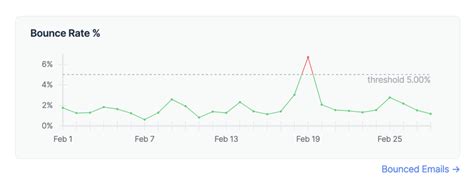
- Bounce rate
Regularly reviewing these metrics allows you to identify issues and make data-driven adjustments.
Regularly Audit Email Content and Compliance
Audit your content for relevance, accuracy, and compliance with regulations. This includes:
- Reviewing spam trigger words
- Checking unsubscribe options
- Confirming data privacy adherence
Audits should be conducted quarterly or after major campaigns.
Train Your Team on High Volume Communication
- Handling high volume workloads
- Recognizing red flags for spam or compliance issues
- Using automation tools effectively
Training empowers your staff to adapt to the challenges of high volume communication.
Build a Feedback Loop
- Collect user feedback via surveys or open-rate analysis
- Analyze response patterns
- Adjust strategies based on insights
This iterative process helps refine your communication approach over time.

Tools and Technologies for High Volume Email Exchange
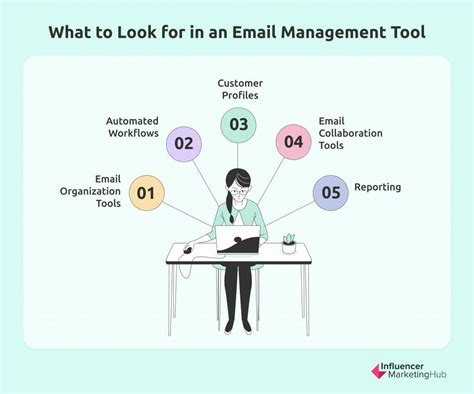
Email Management Platforms
- Automated sorting and filtering
- Priority tagging
- Integration with CRM and support systems
Examples include:
Analytics and Reporting Tools
- Custom dashboards
- Real-time analytics
- Predictive modeling
Examples include:
Security and Compliance Tools
 Asset Ref: emailcompliance
- Spam filter monitoring
- Data encryption
- Automated compliance reporting
Examples include:
Case Studies: Real-World Success with High Volume Email Exchange
Case Study 1: E-commerce Brand Boosts Engagement
- 30% increase in open rates
- 20% reduction in customer service response time
- 15% boost in sales conversions
Key takeaway: Personalization and automation can drive tangible business results even at high volumes.
Case Study 2: Enterprise Support Team Enhances Efficiency
- 50% faster resolution of support tickets
- 30% reduction in customer complaints
- Enhanced customer satisfaction scores
Key takeaway: Infrastructure upgrades and AI support improve quality and speed at scale.
Future Trends in High Volume Email Exchange
AI and Machine Learning Integration
- Predictive content personalization
- Automated spam detection
- Smart routing of inquiries
These technologies will enhance efficiency and reduce human intervention.
Advanced Analytics and Predictive Modeling
- Forecasting campaign performance
- Personalization at hyper-scale
Businesses will leverage these tools to optimize communication strategies.
Increased Use of APIs for Integration
- Automated data synchronization
- Real-time updates across systems
APIs will play a key role in enabling interoperability and scalability.
Enhanced Security Protocolsovations include:ovations include:
- Zero-trust security models
- Advanced encryption and authentication
Businesses will adopt more robust security frameworks to protect sensitive data.
Mobile-First Communication Strategies
- Optimized mobile email templates
- Mobile-friendly content formatting
With the rise of mobile email usage, adaptation is essential.
Green Email Practices
- Reduced email volume through optimization
- Efficient resource usage
Sustainability will become a growing concern for responsible communication.
Conclusion
High volume email exchange is a complex, yet manageable, challenge for any modern organization. By understanding the challenges, implementing effective strategies, leveraging the right tools, and adhering to best practices, businesses can turn high volume communication into a competitive advantage. Whether you’re a small business managing customer inquiries or a large enterprise handling millions of emails, the principles outlined here apply universally. Stay agile, stay informed, and embrace the power of email as a scalable, effective communication cha
el.