Understanding Transactional Email Service SMTP
Transactional email services are a cornerstone of modern digital communication, enabling businesses to send automated emails to users based on specific actions or events. Whether it’s a welcome message after sign-up, a confirmation of a purchase, or a password reset, these emails are critical for maintaining user engagement and ensuring seamless user experiences. At the heart of these services lies the Simple Mail Transfer Protocol (SMTP), a standard network protocol used for sending, receiving, and relaying outgoing emails between mail servers. This guide dives deep into the intricacies of transactional email service SMTP, offering insights into best practices, implementation strategies, and the importance of choosing the right provider.
What Is SMTP and Why It Matters
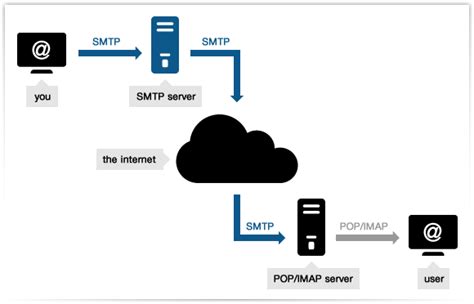
SMTP, or Simple Mail Transfer Protocol, is a communication protocol designed specifically for sending emails across the internet. Developed in the early 1980s, SMTP has evolved over time to accommodate the growing demands of digital communication. It works by establishing co
ections between mail servers, allowing them to exchange information about the sender, recipient, and content of the email. For transactional emails, SMTP is essential because it ensures that messages are delivered reliably, securely, and efficiently.
For businesses, understanding SMTP is pivotal for several reasons:
- Reliability: SMTP guarantees that transactional emails—critical for user communication—are delivered without delay.
- Security: With encryption options like TLS (Transport Layer Security), SMTP helps protect sensitive information within emails from unauthorized access.
- Scalability: Many SMTP services support high-volume sending, allowing businesses to handle large transactional email volumes without compromising performance.
Key Features of Transactional Email Service SMTP
Transactional email service SMTP offers a suite of features tailored to meet the specific needs of transactional email communication. These features are designed to ensure reliability, compliance, and scalability. Here’s a breakdown of the most significant features:
- Delivery Monitoring: Real-time tracking of email delivery status helps businesses ensure that messages reach recipients without delays or issues.
- Bounce Management: Automated systems handle bounced emails, allowing administrators to identify and address issues like invalid email addresses or server-side problems.
- Compliance Support: Many SMTP providers offer compliance tools to ensure adherence to regulations such as GDPR and CAN-SPAM, particularly important for international businesses.
- Analytics and Reporting: Detailed reports on open rates, click-through rates, and delivery metrics help businesses refine their strategies and improve engagement.
- Customizable Templates: Businesses can use pre-designed or custom templates to maintain brand consistency and improve user experience.
Choosing the Right Transactional Email Service SMTP Provider
Selecting the appropriate SMTP provider can make or break your transactional email strategy. With so many options available, it’s crucial to evaluate providers based on specific criteria to ensure alignment with your business needs. Here’s a checklist to guide your selection process:

- Reputation and Reliability: Look for providers with a proven track record of high deliverability rates and minimal downtime.
- Scalability Options: Choose a provider that can support your current sending volume and adapt to future growth.
- Feature Set: Ensure the provider offers the tools you need, such as analytics, bounce management, and compliance support.
- Pricing Structure: Compare pricing models—whether per-email, monthly subscription, or volume-based—to determine what aligns best with your budget and usage patterns.
- Customer Support: Access to responsive and knowledgeable support is vital for addressing issues quickly and efficiently.
Some of the leading providers in the market include SendGrid, Mailgun, Amazon SES, and Mailchimp Transactional. Each offers unique features, pricing plans, and support options, so it’s advisable to conduct a trial or demo before committing to a specific provider.
Best Practices for Implementing Transactional Email Service SMTP
Adopting best practices can significantly enhance the effectiveness of your transactional email service SMTP. Here are some essential strategies to follow:
- Use Dedicated IP Addresses: For high-volume senders, using a dedicated IP address can improve deliverability and reduce the risk of being flagged as spam.
- Authenticate Your Emails: Implement SPF, DKIM, and DMARC protocols to authenticate your emails and prevent spoofing or phishing attacks.
- Monitor Performance Metrics: Regularly review metrics like open rates, bounce rates, and delivery rates to identify areas for improvement.
- Optimize Content for Engagement: Craft clear, concise, and relevant content that aligns with user expectations and expectations post-action.
- Comply with Legal Regulations: Always ensure that your emails comply with applicable laws and regulations, such as CAN-SPAM, GDPR, and CCPA.
Common Challenges and Solutions in Transactional Email Service SMTP
Despite the robust capabilities of transactional email service SMTP, businesses often encounter challenges that can affect their communication strategies. Here are some common issues and their effective solutions:
- Email Deliverability Issues: If emails are not reaching recipients, check for authentication issues, content triggers, or spam filters. Adjust content, authenticate emails, or contact your provider for assistance.
- Compliance Complexity: Managing compliance across multiple jurisdictions can be complex. Utilize compliance tools offered by SMTP providers or consult legal experts to navigate regulatory requirements effectively.
- Scaling Difficulties: Rapid growth can strain existing infrastructure. Select providers that offer scalable options or cloud-based solutions to accommodate increased email volumes.
By recognizing these challenges early and implementing targeted solutions, businesses can maintain a robust transactional email communication strategy without significant disruptions.
The Role of SMTP in User Experience and Engagement
Transactional emails are more than just administrative messages; they are integral to shaping user experiences and fostering engagement. For example, a well-timed confirmation email after a purchase can reinforce trust and satisfaction, while a personalized onboarding email can significantly improve user retention. By leveraging SMTP effectively, businesses can:
- Improve communication consistency and reliability.
- Enhance user satisfaction by delivering timely, relevant information.
- Boost engagement metrics through targeted content and strategies.
Moreover, transactional emails can be a powerful tool for driving conversions, particularly when combined with personalized content and actionable links. For instance, a transactional email with a direct link to a customer’s account or a personalized discount code can encourage further interaction with the brand.

Future Trends in Transactional Email Service SMTP
As technology evolves, so too does the landscape of transactional email service SMTP. Emerging trends are shaping the industry and offering new opportunities for businesses to improve their communication strategies. Here’s a glimpse into the future:
- AI-Driven Personalization: Advanced AI algorithms are now enabling more sophisticated personalization of transactional emails, allowing businesses to tailor content dynamically based on user behavior and preferences.
- Enhanced Security Protocols: New encryption technologies and security measures are emerging to bolster the protection of sensitive data transmitted via transactional emails.
- Mobile Optimization: With mobile usage surpassing desktop, transactional emails are increasingly optimized for mobile devices, ensuring seamless viewing and interaction across platforms.
These trends highlight the importance of staying ahead of the curve and adapting to the evolving needs of users and businesses alike.
Conclusion
Transactional email service SMTP is a critical component of effective digital communication for businesses of all sizes. By understanding the fundamentals of SMTP, selecting the right provider, implementing best practices, and staying abreast of emerging trends, companies can enhance their communication strategies and improve user experiences. Whether you’re a developer or a business leader, the insights provided here will empower you to leverage transactional email service SMTP to its fullest potential. Embrace the power of SMTP and elevate your transactional email communication today.