Introduction to Python Email Address
In today’s digital landscape, Python has become a cornerstone for developers across the globe. One of the many functionalities that Python offers is the ability to handle email addresses—whether for sending, receiving, or parsing. Understanding how to work with Python email addresses can significantly enhance your ability to build effective communication systems, automate workflows, or manage user data. This blog post dives deep into the intricacies of Python email address handling, offering insights, practical tips, and examples to guide you through the process.
Why Python Email Address Handling Matters
Python’s versatility extends beyond coding syntax; it offers robust libraries and modules that simplify complex operations. When it comes to email addresses, Python enables developers to:
- Validate email formats using regex or built-in libraries.
- Extract information from email content (sender, recipient, subject, body).
- Integrate with email APIs for automated communication.
- Manage user data securely while ensuring compliance with data privacy laws.
These capabilities are essential for applications ranging from e-commerce platforms to customer support systems, where accurate handling of email data is crucial.

Common Applications of Python Email Address
Python email address functionality finds application in several domains:
- Customer Communication: Businesses use Python to automate email notifications, confirmations, or promotional messages using APIs like SMTP or SendGrid.
- User Management: Websites and apps use Python to validate user emails during registration, detect duplicates, or manage user profiles.
- Data Analysis: Analysts parse email content for sentiment analysis, spam filtering, or data extraction using libraries like Pandas or Numpy.
- Security Applications: Developers use Python to scan emails for phishing attempts or malware through automated detection systems.
These applications demonstrate the breadth of use cases where Python email address handling is indispensable.
Step-by-Step Guide to Working with Python Email Address
1. Validating Email Addresses
Validation is the first step in ensuring accurate email data. Python offers multiple methods for validating email addresses:
- Using Regex: Regular expressions are a powerful tool for validating email formats. For example:
import re
def validate_email(email):n    regex = r'^[a-zA-Z0-9._%+-]+@[a-zA-Z0-9.-]@[a-zA-Z0-9.-].[a-zA-Z]{2,}$'n    if re.match(regex, email):n        return Truen    else:n        return False
# Example usage:nprint(validate_email('user@example.com'))n- Using Email Libraries: Python’s email library provides built-in functionality for validating email addresses without needing regex.
from email import utils
def validate_email_util(email):n    try:n        utils.parseaddr(email)n        return Truen    except Exception:n        return False
# Example usage:nprint(validate_email_util('user@example.com'))n
Both methods provide robust validation, depending on the complexity of the requirements.
2. Extracting Information from Email Content
Once an email is received, extracting specific information—like sender, recipient, subject, or body—is critical. Python’s email module simplifies this process:
- Parsing Email Headers: The headers of an email contain metadata such as sender, recipient, and timestamp. Use the email.header module to access them:
from email import header
headers = header.decode_header(email_headers)nfor header_item in headers:n print(header_item)n- Accessing Email Body: The body of an email can be retrieved using the email.parser module:
from email import parser
email_data = parser.Parser().parse(email_content)nprint(email_data.get_payload())n
These tools allow developers to isolate and manipulate specific data points from the email content efficiently.

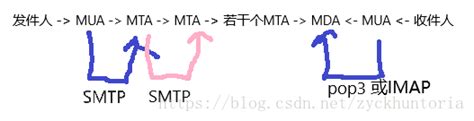
3. Integrating with Email APIs- SMTP for Direct Email Sending: Python’s built-in smtplib library allows sending emails via SMTP protocols. Example:
import smtplib
# Configure SMTP server detailsnserver = smtplib.SMTP('smtp.example.com', 587)nserver.starttls()nserver.login('user@example.com', 'password')
# Send emailnmessage = "Subject: Test Email
This is a test email sent via Python."nserver.sendmail('sender@example.com', 'recipient@example.com', message)nserver.quit()n
- Third-Party APIs like SendGrid or Mailgun: For scalable solutions, third-party APIs offer advanced features. Example using SendGrid:
import requests
api_key = 'your_sendgrid_api_key'nheaders = {'Authorization': f'Bearer {api_key}'}
# Send email via SendGrid APInresponse = requests.post(n    'https://api.sendgrid.com/v3/mail/send',n    headers=headers,n    json={'from': 'sender@example.com', 'to': 'recipient@example.com', 'subject': 'API Email', 'body': 'This email is sent via API.'}n)nprint(response.status_code, response.text)n
import smtplib
# Configure SMTP server detailsnserver = smtplib.SMTP('smtp.example.com', 587)nserver.starttls()nserver.login('user@example.com', 'password')
# Send emailnmessage = "Subject: Test Email
This is a test email sent via Python."nserver.sendmail('sender@example.com', 'recipient@example.com', message)nserver.quit()nimport requests
api_key = 'your_sendgrid_api_key'nheaders = {'Authorization': f'Bearer {api_key}'}
# Send email via SendGrid APInresponse = requests.post(n 'https://api.sendgrid.com/v3/mail/send',n headers=headers,n json={'from': 'sender@example.com', 'to': 'recipient@example.com', 'subject': 'API Email', 'body': 'This email is sent via API.'}n)nprint(response.status_code, response.text)nThese integrations empower developers to streamline communication processes and manage email workflows effectively.
4. Managing User Data with Python Email Address
For applications that involve user data, managing email addresses securely is paramount. Python supports best practices for secure handling of user emails:
- Hashing or Encrypting Sensitive Data: Use libraries like bcrypt or hashlib to encrypt user emails before storing them in databases.
- Data Validation and Cleaning: Apply validation rules to user emails during registration to prevent invalid entries.
- User Consent Management: Implement systems to manage user preferences for email communication, ensuring compliance with regulations like GDPR.
By adhering to these strategies, developers can maintain user data integrity and privacy effectively.
Advanced Tips for Python Email Address Handling
Optimizing Performance with Python Email Address
Performance optimization is crucial when handling large volumes of email data. Here are some advanced tips:
- Batch Processing: Process multiple emails simultaneously using batch operations to reduce overhead.
- Caching Validated Emails: Cache validated email addresses to avoid redundant validation for repeated queries.
- Asynchronous Processing: Use asynchronous libraries like asyncio to handle email tasks concurrently, improving efficiency.
These optimizations help maintain scalability and efficiency in email-related applications.
Best Practices for Python Email Address
- Use Official Libraries: Leverage Python’s official libraries like email and smtplib for reliable functionality.
- Regular Updates: Keep libraries updated to benefit from bug fixes and security patches.
- Error Handling: Implement robust error handling to manage exceptions during email processing.
- Security Compliance: Ensure compliance with data protection regulations and industry standards when handling user emails.
Adhering to these best practices ensures a secure, scalable, and efficient email handling process.
Common Challenges and Solutions
Challenges in Python Email Address Handling
Despite the power of Python, developers face certain challenges when working with email addresses. Here are some common issues and their solutions:
- Invalid Email Format Errors: If emails are not validated correctly, errors may occur. Solution: Implement validation using regex or built-in libraries before processing.
- API Rate Limiting: Third-party email APIs may impose rate limits. Solution: Use batch processing or implement retry mechanisms with exponential backoff.
- Spam Detection Issues: Automated systems may flag legitimate emails as spam. Solution: Use spam filtering libraries like SpamAssassin or configure email headers to improve deliverability.
Understanding these challenges and their solutions allows developers to navigate the complexities of email handling with greater confidence.
Real-World Examples of Python Email Address Applications
Example 1: Email Automation for Marketing Campaigns
In marketing campaigns, Python is used to send personalized emails to targeted users. Here’s a simplified example:
import smtplibnimport time
# Define email contentnemail_content = "Subject: Welcome to Our Service!
Dear {name},
Thank you for signing up with us. Enjoy your experience!
Best regards,nThe Team"
# Send emails in a loopnfor user in user_list:n server = smtplib.SMTP('smtp.example.com', 587)n server.starttls()n server.login('user@example.com', 'password')n message = email_content.replace('{name}', user['name'])n server.sendmail('sender@example.com', user['email'], message)n server.quit()n time.sleep(1)n- This script demonstrates how Python can automate bulk email sending with dynamic content.
Example 2: Email Validation in User Registration
During user registration, validating emails is crucial to ensure data quality. Here’s how Python can help:
from email import utils
def validate_registration_email(email):n    try:n        utils.parseaddr(email)n        return Truen    except Exception:n        return False
# Example usage:nuser_email = 'user@example.com'nif validate_registration_email(user_email):n print('Valid email')nelse:n print('Invalid email')n- This function can be integrated into registration forms to validate user emails effectively.
Example 3: Email Content Analysis for Sentiment Detection
For sentiment analysis, Python parses email content to detect user emotions. Example using NLP libraries:
import nltknfrom nltk.sentiment import SentimentIntensityAnalyzer
email_body = "I am very disappointed with the service."nanalyzer = SentimentIntensityAnalyzer()
# Analyze sentimentnresult = analyzer.polarity_scores(email_body)nprint(result)n- This application shows how Python can extract and analyze information from email content.
Conclusion: Empowering Developers with Python Email Address
Python email address handling is a critical component for developers working in diverse domains—from marketing to security. By leveraging Python’s robust libraries, developers can validate, extract, integrate, and manage email data effectively. Whether you’re automating communications, securing user data, or analyzing content, the insights shared in this post provide a foundation for successful email handling.
As you continue to develop your skills, remember to stay updated with the latest libraries, best practices, and advancements in email technology. With Python, the possibilities for enhancing communication systems are limitless.
Additional Resources
These resources provide further reading and support for those looking to deepen their understanding of Python email address handling.