Introduction to SMTP Servers
SMTP, or Simple Mail Transfer Protocol, is the backbone of email communication on the internet. At its core, an SMTP server is a critical component that enables the sending and routing of emails between users, systems, and domains. Whether you’re a developer building an email application, an IT administrator managing email infrastructure, or a business owner relying on email for communication, understanding SMTP servers is essential to ensuring reliable and secure email delivery.
What Is an SMTP Server?
An SMTP server is a software program or service that processes, sends, and routes email messages. It operates on a specific port (typically port 25 for standard mail transfer or port 587 for submission) and is responsible for handling outgoing mail. Unlike email clients (like Outlook or Gmail), which are used to compose messages, SMTP servers are the workhorses that deliver those messages to their intended recipients.
When you send an email via your email client, the client communicates with an SMTP server to transmit the message. The server then determines the best path to deliver the mail, often through a chain of other SMTP servers, until it reaches the recipient’s mailbox.
How SMTP Servers Work
Understanding the i
er workings of an SMTP server can help you troubleshoot issues and optimize your email infrastructure. Here’s a simplified breakdown of the process:
- Message Submission: The email client (user or application) sends the message to the SMTP server via a local co
ection. - Message Transfer: The SMTP server processes the message, authenticates the sender if required, and determines the recipient’s domain and mail server.
- Message Routing: The server uses DNS to locate the recipient’s mail server (via MX records) and forwards the message accordingly.
- Delivery Confirmation: Once the recipient’s server accepts the message, the sender’s SMTP server may receive a delivery confirmation or log the transaction for auditing purposes.
This flow is fundamental to the global email ecosystem and is used by both personal and enterprise-level email services.
Types of SMTP Servers
There are several types of SMTP servers available, each designed for specific use cases. Choosing the right one depends on your infrastructure, scalability requirements, and budget. Below are the most common types:
- Public SMTP Servers: These are open-access servers operated by email service providers like Gmail, Outlook, or Yahoo. They allow users to send emails via their platforms. While convenient, they typically have restrictions on usage, such as limiting the number of emails per day or blocking bulk mail.
- Private SMTP Servers: These are dedicated servers maintained by organizations for internal email communication. Private servers offer greater control over security settings, spam filtering, and mail routing. They are ideal for businesses that need to manage sensitive information or maintain internal correspondence.
- Cloud-Based SMTP Servers: Cloud services like SendGrid, Mailgun, or Amazon SES provide scalable SMTP infrastructure. These servers are excellent for businesses needing to send large volumes of emails without managing physical servers. They also include additional features like analytics, delivery optimization, and spam compliance tools.
- Dedicated Email Servers: These are fully customized servers built for email delivery. They are often used by enterprises with strict compliance or security requirements, offering a blend of control, scalability, and performance.
Each type of server has its own set of advantages and trade-offs, and the choice depends on specific business needs and technical requirements.
Key Features of SMTP Servers
Modern SMTP servers come equipped with a range of features that enhance functionality and improve user experience. Some of the most important features include:
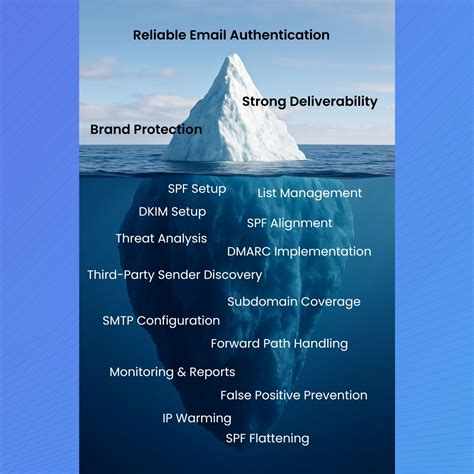
- Authentication and Security: Features like SPF, DKIM, and DMARC help prevent email spoofing and protect against spam and phishing attacks.
- Logging and Monitoring: Comprehensive logs help administrators track email traffic, identify delivery issues, and troubleshoot problems effectively.
- Rate Limiting and Throttling: These mechanisms help prevent abuse and ensure compliance with email service provider policies.
- Support for Multiple Protocols: Many SMTP servers support additional protocols like POP3 and IMAP for receiving mail, allowing for a full email ecosystem.
- API Integration: Many cloud-based SMTP servers provide APIs for developers to integrate email sending capabilities into their applications seamlessly.
These features collectively contribute to a more reliable, secure, and efficient email delivery system.

Choosing the Right SMTP Server for Your Needs
Selecting an appropriate SMTP server can be a daunting task, especially with so many options available. Here are some criteria to help you make an informed decision:
- Volume of Emails: If you send a high volume of emails, a cloud-based or dedicated server may be more suitable than a public one.
- Security Requirements: Businesses with sensitive data or compliance obligations should consider private or dedicated servers for better control.
- Budget Constraints: Public servers are cost-effective for small-scale use, while private or cloud-based servers may require a subscription or investment.
- Scalability Needs:
- Technical Support: Choose a provider or server that offers reliable support to address technical issues quickly and efficiently.
By evaluating these factors, you can select an SMTP server that aligns with your operational goals and supports your communication needs effectively.
Common Challenges with SMTP Servers
Despite their critical role, SMTP servers are not without their challenges. Some of the most common issues include:
- Email Deliverability Issues: Messages may be flagged as spam or rejected due to improper configuration, missing authentication, or blacklisting. Regularly monitoring deliverability metrics and adjusting configurations accordingly can mitigate these problems.
- Server Configuration Errors: Misconfigured SMTP servers can lead to delivery delays or failures. Ensuring proper DNS settings, port configurations, and authentication methods are correctly set up is essential.
- Blacklisting Problems: If an SMTP server is added to a spam blacklist, outgoing mail may be blocked. Regular audits and proactive monitoring can help prevent this from occurring.
- Scalability Limitations: Public servers often have limitations that hinder scalability. Cloud-based or private servers offer more flexibility in this regard.
- Compliance Concerns: Businesses operating in regulated industries must ensure that their SMTP server configurations comply with relevant data protection laws and standards, such as GDPR or HIPAA.
Addressing these challenges proactively can significantly improve the reliability and effectiveness of your email infrastructure.
Best Practices for SMTP Server Management
To ensure optimal performance and security, it’s essential to follow best practices when managing an SMTP server. Here are some key recommendations:
- Regular Monitoring: Continuously monitor server performance and email delivery metrics to identify and resolve issues promptly.
- Update Authentication Protocols: Keep SPF, DKIM, and DMARC records up to date to protect against spoofing and enhance email security.
- Implement Rate Limiting: Set appropriate rate limits to prevent spam or abuse without disrupting legitimate communication.
- Backup and Recovery: Maintain backup configurations and logs to recover quickly from outages or incidents.
- Use Cloud-Based Solutions for Flexibility: For businesses that need flexibility, cloud-based SMTP servers provide scalable infrastructure without the overhead of managing hardware.
Adhering to these best practices can help you maintain a robust, secure, and efficient email communication system.
The Role of SMTP Servers in Enterprise Email Infrastructure
In enterprise environments, the SMTP server plays a pivotal role in overall communication strategy. Enterprises often deploy complex email networks that integrate multiple servers, firewalls, and security protocols. In such cases, the SMTP server acts as a central hub for outgoing mail and is often configured to work with internal mail routing, encryption, and compliance tools.
Enterprise-level SMTP servers also support advanced features like:
- Encryption (TLS/SSL): Secure communication between servers and clients using encrypted protocols.
- Content Filtering: Automatic filtering of sensitive data or attachments to comply with internal policies or regulatory requirements.
- Load Balancing: Distribution of mail traffic across multiple servers to maintain performance and reliability.
These capabilities are essential for maintaining secure and efficient communication within large organizations.
Future Trends in SMTP Server Technology
As technology evolves, so too does the role of the SMTP server. Emerging trends are shaping the future of email delivery in significant ways. Some notable trends include:
- AI-Driven Spam Detection: Advanced machine learning algorithms are being integrated into SMTP servers to detect and block spam more effectively.
- Blockchain for Email Security: Blockchain technology is being explored as a way to enhance authenticity and secure email communication.
- Increased Use of Cloud Infrastructure:
- Enhanced Security Protocols: New encryption standards and authentication methods are being developed to improve email security and protect user data.
These i
ovations are paving the way for a more secure, efficient, and intelligent email delivery system.

Conclusion
Understanding the role and functionality of an SMTP server is essential for anyone involved in email communication. Whether you’re a developer, IT professional, or business owner, the insights gained from this guide can help you make informed decisions about your email infrastructure. From selecting the right server type to implementing best practices, a well-managed SMTP server can significantly enhance your communication capabilities and ensure reliable, secure email delivery.
As the digital landscape continues to evolve, staying informed about the latest trends and best practices in SMTP server management will help you stay ahead of the curve and adapt to changing requirements.