Understanding the Basics of SMTP Servers
An SMTP server (Simple Mail Transfer Protocol server) is a critical component of email communication. It acts as a mail transfer agent (MTA) that facilitates the transmission of emails between senders and recipients. In essence, the SMTP server ensures that messages sent via email platforms like Gmail, Outlook, or corporate systems reach their intended destinations reliably and efficiently.
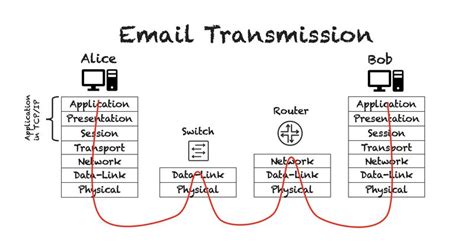
To understand how an SMTP server functions, it's essential to break down its role within the broader email ecosystem. When a user sends an email through an email client or web interface, the message is first routed to an SMTP server assigned by the email provider. The server then processes the email, verifies the sender’s credentials, and determines the best path to deliver the message to the recipient’s server. This seamless interaction between sender and recipient servers is the backbone of modern digital communication.
How SMTP Servers Operate: Step-by-Step Process
To better grasp the mechanics of an SMTP server, here’s a simplified overview of the steps involved in sending an email:
- Step 1: Email Composition - The user drafts an email using an email client or web mail interface.
- Step 2: Authentication - Before sending, the SMTP server authenticates the sender using login credentials (e.g., email address and password). This step ensures that only authorized users can send mail through the server.
- Step 3: Message Transmission - The SMTP server receives the email content and initiates the transmission process. It encodes the message into a format suitable for network transmission.
- Step 4: Server-to-Server Communication - The SMTP server communicates with the recipient’s SMTP server using standardized protocols to negotiate the delivery of the email. This often involves exchanging information like IP addresses, recipient addresses, and server capabilities.
- Step 5: Delivery Confirmation - Upon successful delivery, the recipient’s server sends an acknowledgment back to the sender’s SMTP server. This confirmation informs the sender that the message was successfully received.
These steps illustrate the core functionality of an SMTP server, ensuring that emails traverse the digital landscape without significant interruption or loss.
Key Components of an SMTP Server
An SMTP server is composed of several key components that work in tandem to enable effective communication. Understanding these elements helps users appreciate the depth of functionality these servers provide:
- Mail Transfer Agent (MTA): The MTA is the primary component responsible for routing messages between servers. It handles the logistics of message delivery, including determining the best path for delivery and managing queueing for delayed messages.
- Mail User Agent (MUA): The MUA is the interface that users interact with, such as Outlook, Thunderbird, or Gmail. It allows users to compose, send, and receive emails and interfaces with the MTA to initiate the sending process.
- Mail Delivery Agent (MDA): The MDA is responsible for the final delivery of the email to the recipient’s mailbox. This component often interfaces with the recipient’s email client or web interface to place the message in the inbox.
Together, these components form a robust infrastructure that supports the seamless exchange of emails across the globe.
SMTP Server Protocols and Standards
The SMTP protocol operates under a set of standardized rules and guidelines that ensure consistency across different platforms and providers. These protocols are vital for maintaining interoperability and reliability in email communication. Here’s a breakdown of the key SMTP protocols and standards:

- SMTP (Simple Mail Transfer Protocol): The primary protocol used for sending emails. Defined in RFC 5321, SMTP governs the rules for sending, receiving, and relaying messages.
- POP3 (Post Office Protocol version 3): Although not part of the SMTP protocol, POP3 is often used in conjunction with SMTP to retrieve emails from a server to a client. It governs the process of downloading messages from a server to a user’s device.
- IMAP (Internet Message Access Protocol): Similar to POP3, IMAP allows users to access their email on a server and manage their inbox remotely. It complements SMTP by providing a method for accessing stored messages rather than deleting them after retrieval.
- RFC Standards: SMTP functionality is governed by several RFC (Request for Comments) documents, including RFC 5321 (SMTP), RFC 5322 (Email Message Format), and RFC 3461 (Delivery Status Notifications). These documents define the technical specifications and operational guidelines for SMTP servers.
Compliance with these protocols and standards is essential for ensuring that emails are delivered correctly and consistently across different email platforms and providers.
Common SMTP Server Use Cases
SMTP servers are used in a variety of contexts, each with its unique requirements and challenges. Here are some of the most common applications of SMTP servers:
- Email Marketing Campaigns: Businesses use SMTP servers to send bulk emails to subscribers. These servers help ensure deliverability, track open rates, and manage bounce-back rates effectively.
- Corporate Email Systems: Large organizations rely on internal SMTP servers to manage employee communication. These servers are configured to support secure communication, spam filtering, and user authentication.
- Cloud-Based Email Services: Platforms like Gmail, Outlook, and Yahoo Mail use cloud-based SMTP servers to provide scalable, reliable email services to millions of users worldwide.
- Transactional Emails: Service providers use SMTP servers to send important emails such as password reset notifications, confirmation emails, and transaction receipts. These emails require high reliability and low latency to maintain user trust.
Each of these use cases highlights the adaptability and importance of SMTP servers in both personal and professional domains.

Security Considerations with SMTP Servers
Given the critical role of SMTP servers in email communication, security is a paramount concern. Email is a prime target for malicious actors, and ensuring the integrity of messages is essential. Here are some key security considerations associated with SMTP servers:
- Authentication Protocols: Implementing robust authentication protocols like SMTP AUTH (RFC 4954) helps verify the identity of the sender and prevents unauthorized access to the server.
- Encryption: Email messages can be encrypted using protocols like TLS (Transport Layer Security) to protect sensitive information from interception during transmission.
- Spam Filtering: Advanced spam filtering mechanisms are integrated into SMTP servers to identify and block spam or malicious content before it reaches the recipient’s inbox.
- Firewalls and Network Security: Firewalls and network security protocols are deployed to prevent unauthorized access to the SMTP server infrastructure and reduce the risk of cyber attacks.
These security measures collectively contribute to a safer email ecosystem, reducing the risk of data breaches and unauthorized access.
Choosing the Right SMTP Server for Your Needs
Selecting an appropriate SMTP server depends on several factors, including usage patterns, security requirements, and scalability needs. Here are some considerations to help guide your selection process:
- Usage Volume: If you're sending a high volume of emails regularly, you may need a dedicated SMTP server or a cloud-based solution with scalable resources.
- Security Requirements: Consider the security features available on the SMTP server, such as encryption, spam filtering, and authentication protocols.
- Cost and Support: Evaluate the cost structure of the SMTP server provider and the level of support available for troubleshooting or technical assistance.
- Compliance and Regulations: Ensure the SMTP server complies with relevant data protection regulations such as GDPR or HIPAA, especially for sensitive data.
By weighing these factors, users can make informed decisions about which SMTP server best aligns with their specific needs and objectives.
Troubleshooting Common SMTP Server Issues
Despite their reliability, SMTP servers can encounter issues that affect email delivery. Understanding these common problems and their solutions can help users mitigate disruptions. Here are some typical issues and their resolutions:
- Email Delivery Failures: If emails are not reaching recipients, check the recipient’s email address for typos, verify server configurations, and ensure that the SMTP server is online and functioning.
- Authentication Issues: If users are unable to send emails due to authentication errors, confirm login credentials and ensure that SMTP AUTH is enabled on the server.
- Spam Flagging: If emails are being flagged as spam, review the content for common spam indicators and adjust the email composition to align with best practices.
- Network Latency or Co
ectivity Issues: Network-related problems can delay or disrupt mail delivery. Contact your ISP or network administrator to resolve co
ectivity issues affecting the SMTP server.
By proactively addressing these issues, users can maintain a more robust and reliable email communication infrastructure.
Conclusion: The Vital Role of SMTP Servers in Digital Communication
In summary, an SMTP server plays a pivotal role in the digital communication landscape. From facilitating the transmission of emails across servers to ensuring secure and reliable delivery, SMTP servers underpin modern email infrastructure. Whether you’re an individual user, a business owner, or an IT professional, understanding how these servers operate and their critical function within the email ecosystem is essential for effective communication.
By grasping the fundamentals of SMTP servers, users can better appreciate the complexity of email communication and make more informed decisions regarding their email services and infrastructure.