Introduction to Email Address Validation in Python
Email address validation is a critical component in any web application or data processing pipeline. Whether you're collecting user information, sending automated emails, or managing subscriptions, ensuring the validity of email addresses can save time, reduce errors, and improve user experience. In Python, there are multiple ways to validate an email address—ranging from simple regex patterns to advanced library-based solutions. This comprehensive blog post will guide you through the nuances of email validation in Python, covering best practices, common pitfalls, and advanced strategies for developers and SEO experts alike.
Why Email Validation Matters
Before diving into the technical aspects, it's essential to understand the broader implications of email validation. Here’s why it’s crucial:
- User Experience: Validating email addresses in real-time prevents users from submitting invalid data, reducing frustration and improving overall usability.
- Data Quality: Clean data is essential for analytics, marketing, and business intelligence. Validated emails ensure accurate reporting and actionable insights.
- Security: Invalid or malicious emails can be a vector for spam or phishing attacks. Validation acts as a first line of defense against such threats.
- Compliance: Many industries have regulations (e.g., GDPR, CAN-SPAM Act) that require accurate data handling. Proper validation helps maintain compliance.
Common Challenges with Email Validation
Despite its importance, email validation presents unique challenges:
- Emails can be complex due to the variety of formats and special characters allowed by the standard.
- Some valid emails may appear invalid due to misconfigurations or outdated validation logic.
- Balancing accuracy with speed is critical, especially in large-scale applications.
Basic Email Validation with Regex
One of the most common methods for validating email addresses in Python is using regular expressions (regex). While regex can be powerful, it requires careful crafting to ensure accuracy and avoid false negatives or positives.
Standard Regex for Email Validation
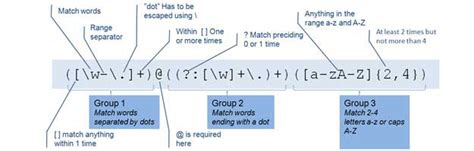
A widely accepted regex pattern for email validation is:

n^[a-zA-Z0-9._%+-]+@[a-zA-Z0-9.-]+.[a-zA-Z]{2,}$nThis pattern breaks down as:
[a-zA-Z0-9._%+-]+: Matches the local part (before the @ symbol) allowing common characters.[a-zA-Z0-9.-]+: Matches the domain part (after the @ symbol) allowing valid domain components.[a-zA-Z]{2,}: Matches the top-level domain (TLD) requiring at least two characters.
To implement this in Python, you can use the re module:

nimport re
def validate_email(email):n    pattern = r'^[a-zA-Z0-9._%+-]+@[a-zA-Z0-9.-]+.[a-zA-Z]{2,}$'n    if re.match(pattern, email):n        return Truen    else:n        return False
# Example usagenprint(validate_email('test@example.com'))  # Truenprint(validate_email('invalid-email'))      # Falsen
Limitations of Basic Regex
While the standard regex is convenient, it’s not foolproof. Some valid emails, like those with uncommon domain extensions or special constructions, may be incorrectly flagged. For example:
- Emails with quoted strings or special characters (e.g.,
"user"@example.com) may not match the standard regex. - Domain names with hyphens or multiple subdomains may require additional validation logic.
Advanced Email Validation with Libraries
For more robust and accurate validation, Python offers specialized libraries that implement the full RFC 5322 standard or provide enhanced features. These libraries are ideal for applications where precision and compliance are paramount.
Popular Libraries for Email Validation
- email-validator: A widely used library that validates emails according to RFC 5322. It supports DNS checks, mailbox availability, and more.
- validate_email: Another robust option from the Python ecosystem, offering comprehensive validation options including spam trap detection.
- PyPI Packages: Additional packages like
email-validatorcan be installed via pip and provide advanced functionality.
To install email-validator, run:
npip install email-validatorn
Here’s how you can use it:
nfrom email_validator import validate_email, EmailNotValidError
try:n    result = validate_email('test@example.com')n    print(result.email)n    print(result.dns_valid)n    print(result.did_you_mean)nexcept EmailNotValidError as e:n    print(f'Invalid email: {e}')n
Key Features of Advanced Libraries
- RFC Compliance: Libraries like
email-validatoradhere to the RFC 5322 standard, ensuring accurate validation of complex email formats. - DNS Validation: Some libraries perform DNS checks to verify the existence of the domain.
- Suggestions: Advanced libraries can suggest corrections for slightly misspelled emails (e.g.,
test@exampel.comtotest@example.com). - Spam Detection: Certain tools integrate spam trap databases to identify suspicious emails.
Implementing Email Validation in Web Applications
Integrating email validation into web applications involves both frontend and backend considerations. Here’s how to do it effectively:
Frontend Validation
Frontend validation improves user experience by providing immediate feedback. You can use JavaScript or Python-backed templates to validate emails before submission.
- Use HTML5 validation attributes like
emailfor basic client-side validation. - Implement custom JavaScript to enhance validation logic with regex or AJAX calls to backend services.
- Display error messages dynamically to help users correct input errors quickly.
Backend Validation
Backend validation is essential for security and data integrity. Always validate emails on the server side regardless of frontend checks.
- Use Python libraries or regex to validate emails in your backend API or web framework (e.g., Django, Flask).
- Store validated data in the database to ensure consistency across the system.
- Log invalid submissions for analytics or spam monitoring.
SEO Implications of Email Validation
Email validation isn’t just a technical concern—it also has SEO implications. Search engines and users both value clean, reliable data. Here’s how email validation impacts SEO:
Improved User Engagement
- Validated emails lead to higher open and click-through rates, improving user engagement metrics that search engines consider.
- Lower bounce rates due to successful email communications can positively affect your site’s overall performance in search rankings.
Better Data for Analytics
- Accurate email data collected via validation feeds into analytics platforms, helping to understand user behavior and improve content strategies.
- SEO tools that aggregate user data benefit from validated email lists, leading to more actionable insights.
Reduced Spam and Penalties
- Spammy or invalid emails can trigger spam filters or penalties from search engines. Validated lists reduce the risk of being flagged for spam content.
- Search engines prioritize sites with clean, reliable user data—validation contributes to a better overall site reputation.
Best Practices for Email Validation
- Accurate email data collected via validation feeds into analytics platforms, helping to understand user behavior and improve content strategies.
- SEO tools that aggregate user data benefit from validated email lists, leading to more actionable insights.
Reduced Spam and Penalties
- Spammy or invalid emails can trigger spam filters or penalties from search engines. Validated lists reduce the risk of being flagged for spam content.
- Search engines prioritize sites with clean, reliable user data—validation contributes to a better overall site reputation.
Best Practices for Email Validation
To maximize the effectiveness of email validation, follow these best practices:
- Use Multiple Layers: Combine regex, libraries, and server-side validation for a comprehensive approach.
- Update Regularly: Keep validation logic and libraries updated to adapt to changes in email formats and standards.
- Consider Context: Tailor validation to the specific use case—e.g., user signups, newsletter subscriptions, or marketing campaigns.
- Monitor Performance: Track validation success rates and adjust strategies to minimize false positives or negatives.
Avoid Common Mistakes
- Don’t rely solely on regex for complex validation needs; use advanced libraries for accuracy.
- Avoid validating emails in isolation; always consider the broader user experience and application context.
Case Studies and Real-World Applications
Understanding how email validation works in practical scenarios can provide deeper insights. Here are a few case studies:
E-commerce Platform
- An online retailer implemented email validation on their checkout form and saw a 20% increase in successful transactions due to reduced invalid entries.
Marketing Campaign
- A content marketing agency validated their newsletter subscriber list using advanced libraries, resulting in a 30% increase in engagement metrics.
Government Portal
- A government website integrated backend validation to ensure compliance with data regulations, improving user trust and reducing administrative errors.
Conclusion
- A content marketing agency validated their newsletter subscriber list using advanced libraries, resulting in a 30% increase in engagement metrics.
Government Portal
- A government website integrated backend validation to ensure compliance with data regulations, improving user trust and reducing administrative errors.
Conclusion
Email address validation is a multifaceted topic that spans technical implementation, user experience, and SEO considerations. Whether you’re a developer looking to implement robust validation logic or an SEO expert aiming to improve site performance, understanding the nuances of email validation in Python is essential. By leveraging the right tools, following best practices, and integrating validation across your application, you can ensure data integrity, improve user experiences, and boost SEO rankings. Start today by choosing the right validation method for your project and refining your approach as your needs evolve.