Introduction to DKIM Signature Public Key
Digital security is more critical than ever, especially for organizations that rely on email communication. One of the most effective tools in the arsenal of secure email communication is the **DKIM signature public key**. DomainKeys Identified Mail (DKIM) is a widely adopted email authentication protocol that helps verify the authenticity of email messages. The **DKIM signature public key** plays a pivotal role in this authentication process by enabling third parties to verify the legitimacy of an email sent from a specific domain. This guide will dive deep into the intricacies of the **DKIM signature public key**, its role in email security, how it functions, and its implications for SEO and overall digital marketing strategies.

What is DKIM and Why It Matters
DomainKeys Identified Mail (DKIM) is an email authentication standard designed to help prevent email spoofing and phishing attacks. It allows an organization to attach a digital signature to outgoing email messages using cryptographic keys. When an email is sent, the recipient’s email server can use this signature to verify that the email indeed originated from the claimed domain and has not been altered in transit.
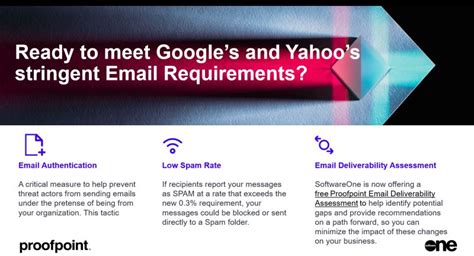
The importance of DKIM extends beyond security; it also has a notable impact on email deliverability. Email providers use authentication protocols like DKIM, SPF, and DMARC to determine the legitimacy of an email and to decide whether to deliver it to the recipient’s inbox or mark it as spam. Therefore, implementing DKIM correctly is essential for maintaining a strong sender reputation and ensuring that your emails reach their intended audience.
The Role of the DKIM Signature Public Key
To understand the **DKIM signature public key**, it's essential to first grasp the concept of public-key cryptography. In this system, two keys are used: a **private key**, which is kept secure on the sending server, and a **public key**, which is published publicly and accessible to anyone who wants to verify the authenticity of an email.
The **DKIM signature public key** is published in the domain’s DNS records, typically in the form of a TXT record. This public key is used by the recipient’s email server to validate the digital signature that accompanies the email message. Here’s a breakdown of the key functions of the **DKIM signature public key**:
- Verification of authenticity: The public key allows the recipient’s server to confirm that the email was sent from a domain that claims to be the sender.
- Integrity verification: It helps ensure that the content of the email has not been altered during transit.
- Trust building: By publishing a public key, the domain owner builds trust with email providers and recipients, reducing the likelihood of the email being flagged as spam.
Without the **DKIM signature public key**, the DKIM system would be incomplete, as the public key is the critical component that enables third-party verification of the digital signature.
How the DKIM Signature Public Key Works
The process of using the **DKIM signature public key** involves several steps. Here’s a simplified breakdown of how it functions:
- Email Composition: When an email is sent from a domain that uses DKIM, the sending server generates a digital signature using the private key.
- Signature Attachment: The signature is attached to the email header.
- DNS Lookup: The recipient’s server retrieves the **DKIM signature public key** from the domain’s DNS records.
- Signature Validation: Using the public key, the recipient’s server validates the digital signature against the content of the email.
- Decision Making: Based on the validation result, the recipient’s server decides whether to accept or reject the email.
This process is seamless and automated, ensuring that email security is maintained without requiring manual intervention. The **DKIM signature public key** is thus a cornerstone of the DKIM authentication framework.
Setting Up the DKIM Signature Public Key
Setting up the **DKIM signature public key** involves a few technical steps, but it is a manageable process for most administrators. Here’s a general outline of the setup process:
- Generate DKIM Keys: The first step is to generate a pair of DKIM keys—private and public—using a key generation tool or script.
- Publish Public Key in DNS: The public key is then published in the domain’s DNS records as a TXT record. The exact format and location may vary depending on the domain registrar or DNS provider.
- Configure Email Server: The sending email server must be configured to use the private key for signing outgoing emails.
- Test Configuration: After setup, it’s advisable to test the configuration using a DKIM checker tool to ensure that the public key is correctly published and the signing process is working as expected.
It’s important to note that the setup might differ slightly depending on the email service provider or the domain management platform being used. Nevertheless, the general process remains consistent across platforms.
Common Challenges with DKIM Signature Public Key
While the **DKIM signature public key** is a powerful tool, it is not without challenges. Some common issues include:
- DNS Record Issues: Misconfigured DNS records can prevent the public key from being retrieved correctly, leading to validation failures.
- Key Management Challenges: Managing DKIM keys securely can be complex, especially for organizations with multiple domains or subdomains.
- Expired Keys: If a public key is not updated regularly, it may expire, rendering it ineffective for verification.
To mitigate these challenges, organizations should implement robust key management policies, regularly monitor DNS records, and ensure that public keys are updated periodically to maintain their validity.
DKIM Signature Public Key and SEO Impact
The impact of DKIM signature public key extends beyond security; it also has a significant influence on SEO. Search engines like Google prioritize secure websites and email communication, and implementing DKIM can improve a website’s overall digital presence. Here’s how the **DKIM signature public key** affects SEO:
- Improved Email Deliverability: By ensuring that emails are authenticated and not marked as spam, DKIM helps maintain a strong sender reputation, leading to better inbox placement and higher engagement rates.
- Enhanced Trust and Credibility: A domain that uses DKIM is perceived as more trustworthy by both users and search engines, contributing to improved brand reputation and user trust.>
- Better User Experience: With emails reaching the inbox reliably and securely, users experience fewer disruptions and a more seamless communication experience.
- Indirect SEO Benefits: While DKIM itself is not a direct ranking factor, the improved email engagement and brand trust can have a positive ripple effect on SEO by increasing website traffic, reducing bounce rates, and improving user behavior metrics.
In the broader context of digital marketing, maintaining a secure communication cha
el via DKIM is now a critical component of a comprehensive SEO strategy.
Best Practices for Managing DKIM Signature Public Key
To maximize the effectiveness of the **DKIM signature public key**, here are some best practices to follow:
- Regular Monitoring: Keep a close eye on your DNS records and ensure that the public key is up to date and correctly configured.
- Secure Key Storage: Store private keys securely and limit access to authorized perso
el only. - Key Rotation: Implement a key rotation policy to replace keys periodically, reducing the risk of compromise or misuse.
- Training and Awareness: Educate your IT and marketing teams about the importance of DKIM and the role of the public key in email security.
Adhering to these best practices ensures that your DKIM implementation remains secure, effective, and aligned with your overall digital strategy.
FAQs About DKIM Signature Public Key
Q1: What happens if the DKIM signature public key is missing from DNS?
If the **DKIM signature public key** is missing from DNS, the recipient’s server will be unable to validate the email’s signature, which may result in the email being flagged as suspicious or spam. It’s essential to ensure that the public key is published correctly.

Q2: Can a DKIM public key be reused across multiple domains?A: No, each domain should have its own unique DKIM key pair. Reusing a public key across multiple domains can compromise security and reduce the effectiveness of the authentication process.
Q3: How often should a DKIM public key be updated?A: Public keys should be updated regularly, ideally every 12 to 24 months, depending on the security policies of the organization.
Q4: Is the DKIM signature public key a direct ranking factor for SEO?A: While the DKIM signature public key is not a direct ranking factor, it supports SEO indirectly by improving email deliverability, trust, and user engagement.
Q5: What tools can help verify DKIM signature public key configuration?A: Tools like MXToolbox, DKIM Validator, and Google’s admin console can help verify the configuration of the DKIM signature public key and ensure it’s working correctly.
Conclusion
The **DKIM signature public key** is a vital component of secure email communication and has tangible benefits for both security and SEO. By understanding its role, how it functions, and how to implement it effectively, organizations can strengthen their email security posture and enhance their digital marketing strategies. Whether you’re a small business owner or a large enterprise, adopting DKIM and ensuring the correct configuration of the public key is a step toward a more secure and trustworthy online presence. Invest in DKIM authentication today to safeguard your communications and boost your online credibility.